United Communities Home

Category

Community Organising

22 articles

The Vacant Counter: Organising When the Bank Says It's Leaving

The Vacant Counter: Organising When the Bank Says It's Leaving

A bank closure notice looks like a private business decision—until you read it as a public document. Here's how to turn the last branch on the high street into a neighbourhood census, a challenge to the access-to-cash assessment, and a campaign for something better than an empty counter.

Silent Night, Shut Door: Catching the Consultation That Closes on 2 January

Silent Night, Shut Door: Catching the Consultation That Closes on 2 January

Every winter, some public bodies slip significant consultations out just as civic life winds down, with deadlines that land before most of us have found the recycling calendar. Here’s how to spot the pattern, challenge a cramped window and turn a quiet deadline into a loud accountability question.

Before the Diggers Arrive: How to Read a Planning Application Like an Organiser

Before the Diggers Arrive: How to Read a Planning Application Like an Organiser

Planning applications are often the first public signal of what is about to change on your street, but council portals are built for compliance, not clarity. This is a practical guide to finding the real deadline, decoding the design and access statement, checking who has already commented, and turning one application into a standing neighbourhood watch.

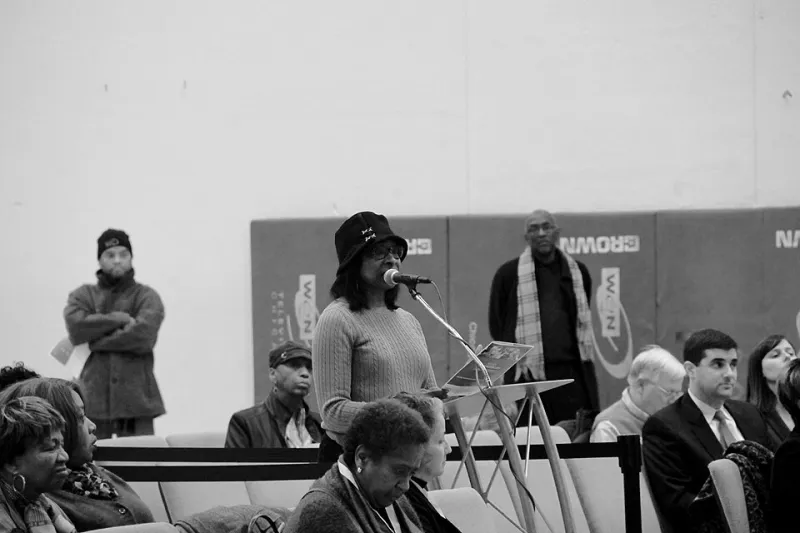
The 7pm Problem: Why Being in the Room Isn't the Same as Holding Power

The 7pm Problem: Why Being in the Room Isn't the Same as Holding Power

Most coalitions count who turns up and then treat the count as consent. But the people who can give up a Tuesday evening are rarely a fair sample of the street, the ward or the tenant group. Here's how to redesign decisions so power doesn't depend on being in the room at 7pm.

The Appendix Is the Argument: How to Run a Council Budget Reading Night

The Appendix Is the Argument: How to Run a Council Budget Reading Night

Council budgets are public documents, but they are written to be survived rather than read. Here is a practical way to gather neighbours, decode the jargon, find the cuts hiding in the appendices, and leave with a shared set of demands rather than a room full of confusion.

Last Item, First Casualty: Guarding the Final Ten Minutes

Last Item, First Casualty: Guarding the Final Ten Minutes

Any other business is meant to be housekeeping, but too often it becomes the back door through which a campaign is quietly rewritten. Here is a practical safeguard kit for UK groups who want the last ten minutes to stop deciding the next ten months.

The Half-Empty Noticeboard: Auditing Who Your Campaign Never Reaches

The Half-Empty Noticeboard: Auditing Who Your Campaign Never Reaches

Digital-first campaigns are brilliant at counting clicks and useless at noticing who never saw the post. Here is a practical offline reach audit for UK coalitions — where to post, who to ask, how to make a poster survive the weather, and how to tell whether any of it worked.

The Two-Bus Problem: Auditing Travel Before You Book the Room

The Two-Bus Problem: Auditing Travel Before You Book the Room

Every campaign has a membership that exists on paper and a membership that can physically get through the door. The gap between the two is usually a bus timetable. Here's how to audit travel, budget for it properly, and stop letting fares decide who gets a say.

Who Gets the Last Word? Seven Questions to Test a 'Community-Led' Campaign

Who Gets the Last Word? Seven Questions to Test a 'Community-Led' Campaign

Plenty of campaigns call themselves community-led; far fewer could survive a straightforward morning at a bus stop. This is a practical audit for organisers who want to move past consultation theatre and find out who their campaign is genuinely built for — and who it quietly locks out.

Who Decides Where the Money Goes? The Quiet Rise of Resident-Led Budgets

Who Decides Where the Money Goes? The Quiet Rise of Resident-Led Budgets

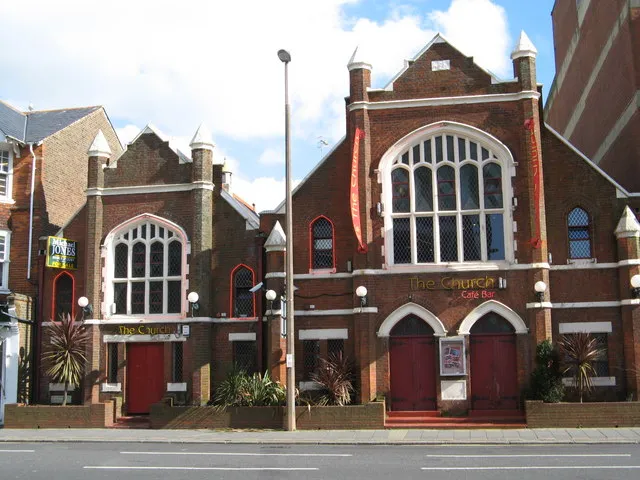
A million pounds sounds abstract until it's sitting in a church hall on a Tuesday night and the people deciding what happens to it live three streets away. Participatory budgeting is spreading across the UK—and it's less about spreadsheets than about who gets to hold the pen.